


Protect working capital
Asset finance or a PPA can reduce the capital needed at the start, leaving funds available for stock, equipment, recruitment or other business priorities.

Compare outright purchase, asset finance and Power Purchase Agreements for commercial solar panels. We model each option against your site's energy use, ownership plans and cash-flow priorities so you can make an informed decision.
Commercial solar finance can turn an eligible, well-designed project into a planned operating decision rather than a single capital purchase. The right structure depends on ownership, contract terms and what the system is expected to save—not finance alone.
Asset finance or a PPA can reduce the capital needed at the start, leaving funds available for stock, equipment, recruitment or other business priorities.

A structured payment term can spread the cost while the system generates electricity. The forecast should compare payments and savings year by year.

Buy for control and long-term value, finance toward ownership, or use a PPA where a third party owns and maintains the system under contract.

Ownership and funding structure can affect capital allowances and accounting treatment. Confirm the position with your accountant before proceeding.

Good commercial solar finance starts with energy data, site suitability and realistic assumptions—not a headline rate viewed in isolation.
Swipe to explore →
There is no universally best model. Compare control, total lifetime cost, responsibilities and exit provisions alongside the initial payment.
| Consideration | Outright purchase | Asset finance | Power Purchase Agreement |
|---|---|---|---|
| Initial payment | Full purchase price | Deposit or initial rental may apply | Usually no system purchase cost |
| System owner | Your business from purchase | Depends on agreement; often transfers after final payment | Third-party funder during the term |
| Typical agreement | No finance term | Often structured over several years | Long-term electricity purchase contract |
| Electricity benefit | All avoided grid cost and eligible export income | Benefits support repayments, subject to agreement | Electricity bought at the contracted PPA tariff |
| Maintenance | Your responsibility | Usually your responsibility | Commonly included to the contracted scope |
| Tax and accounts | Capital allowances may apply | Depends on agreement and accounting treatment | Provider owns the asset; treatment requires advice |
| Best suited to | Businesses with capital seeking maximum ownership benefit | Businesses wanting ownership with staged payments | Businesses prioritising low initial capital commitment |
Terms vary by provider and agreement. Asset finance and PPA availability is subject to eligibility, site assessment, contract terms and credit approval. Obtain accounting, tax and legal advice where appropriate.
The same solar design can produce different commercial outcomes depending on who owns the equipment, who receives the electricity benefit and what happens at the end of the agreement.
3 routes
Purchase, asset finance or a Power Purchase Agreement
25+ yrs
Typical solar panel operating life to consider
30 mins
Interval data reveals when your business uses electricity
1 model
Site-specific comparison with assumptions made clear
A finance proposal should show the relationship between electricity savings and repayments. This simplified example demonstrates the calculation; it is not a quotation or forecast for your business.
| Example item | Illustrative figure | What to check |
|---|---|---|
| Forecast solar electricity used on site | 80,000 kWh | Depends on your demand profile and system yield |
| Illustrative avoided grid price | 24p/kWh | Use the tariff and non-commodity charges relevant to your bills |
| Illustrative annual electricity saving | £19,200 | 80,000 kWh × £0.24 |
| Illustrative annual finance payments | £15,600 | Example only; lender terms, fees and credit approval vary |
| Illustrative annual position | +£3,600 | Before maintenance, insurance, tax and other project-specific costs |
Illustrative example only. It excludes export income and assumes every stated unit is generated and used as modelled. Actual generation, consumption, tariffs, payments, fees, maintenance, insurance, tax and savings will vary. Finance is subject to contract and credit approval.
Tax relief and export payments can support a solar investment case, but neither should be treated as automatic. Confirm eligibility, ownership and rates using current information before committing.
Qualifying expenditure on plant and machinery may be eligible for Annual Investment Allowance under the tax rules in force when the business incurs the cost. Available relief depends on the purchaser, ownership structure, timing and the business's circumstances. A PPA differs because the site occupier does not normally own the solar asset. Ask your accountant to confirm how the proposed route applies to you.
Eligible small-scale low-carbon generators may be paid for electricity exported to the grid through a supplier's Smart Export Guarantee tariff. Rates and contract conditions vary, and larger commercial systems or some ownership structures may use other export arrangements. The proposal should state who receives export income and avoid assuming exported electricity is worth the same as electricity used on site.
Before choosing commercial solar finance, check the complete project and contract—not only the monthly payment or advertised electricity rate.
Use recent bills and half-hourly data to test generation, self-consumption and export assumptions across the year.
Confirm ownership or landlord consent, remaining lease term, roof condition and who pays if reroofing is needed.
Understand eligibility checks, guarantees, deposits, security requirements, fees and what happens after a payment default.
Review price increases, early settlement, transfer, change of occupier, buyout, removal and end-of-term provisions.
Check maintenance, monitoring, insurance, access rights, performance responsibilities and response times in writing.
Account for expansion, electric vehicles, battery storage, business relocation and expected changes in operating hours.
Swipe to explore →
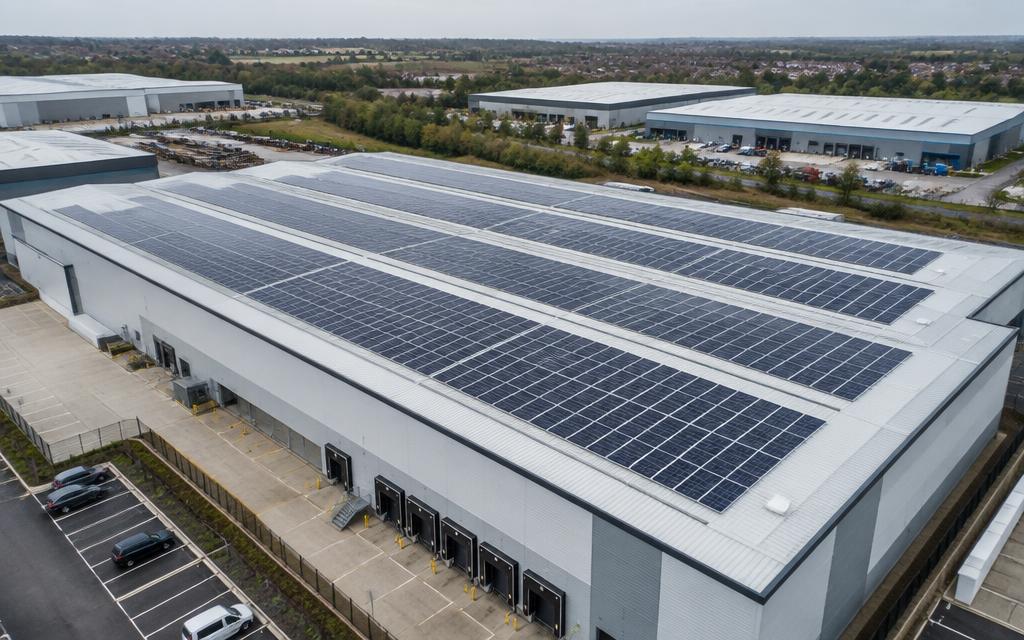
Cut your grid electricity use with roof-mounted solar PV sized to your building.
Learn More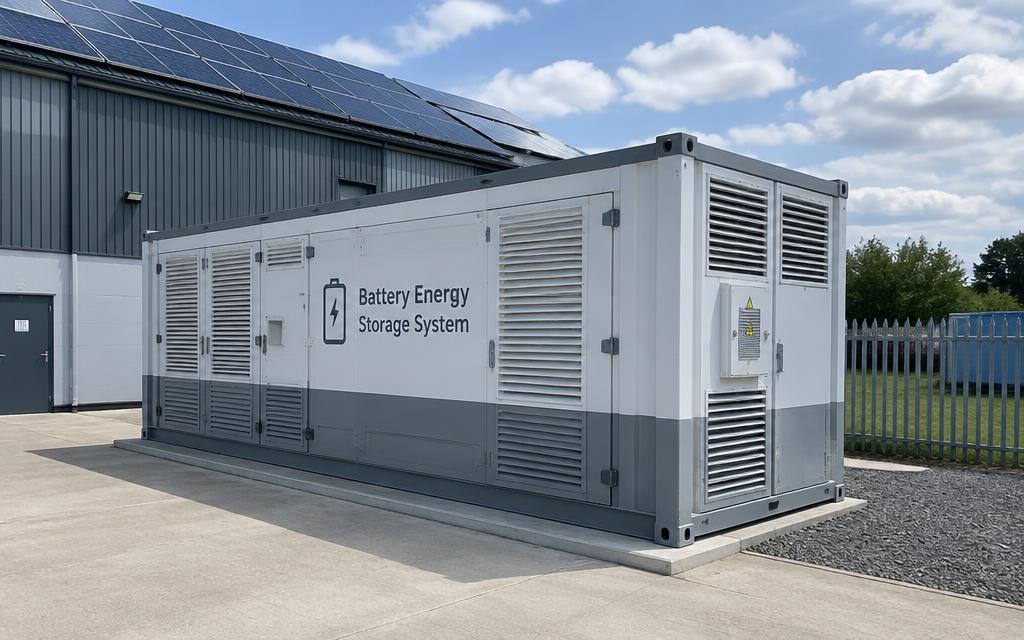
Store surplus solar generation and use it when demand and costs are highest.
Learn More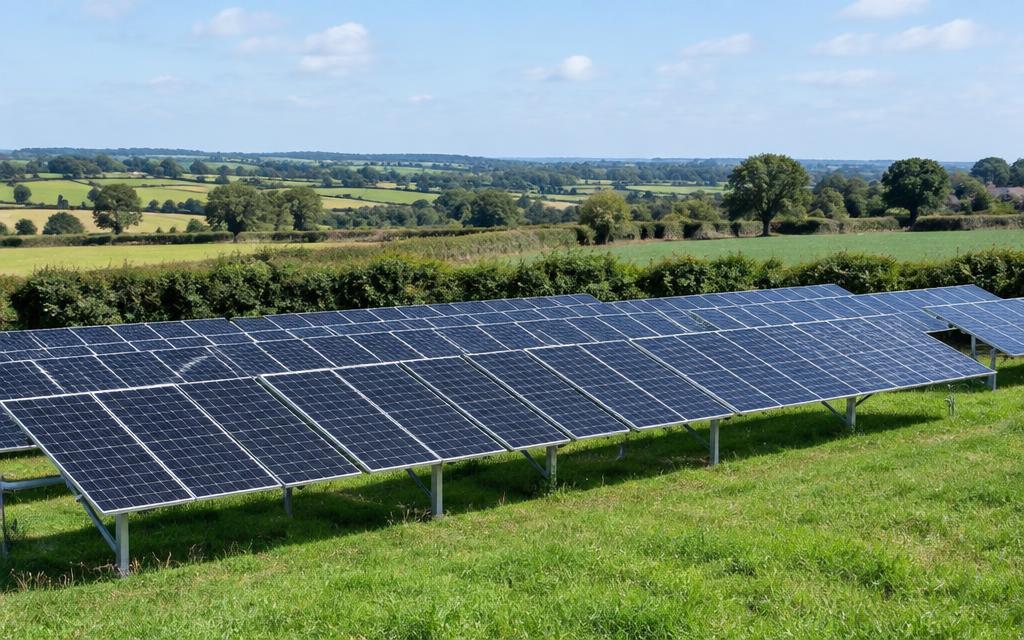
When roof space is limited, ground-mounted arrays maximise your available land.
Learn MoreSwipe to explore →
A poor site does not become a good solar project because finance is available. We first establish whether the building or land, grid connection and electricity demand support a sensible design. Finance options can then be compared against the same technical and savings model.
This gives decision-makers a consistent basis for comparing capital purchase, funded ownership and a PPA, while making assumptions and responsibilities visible before contracts are signed.
Horizon Commercial Solar is fully accredited and MCS certified. Every installation meets the highest standards for design, safety and performance.







The main routes are outright purchase, commercial asset finance and a Power Purchase Agreement (PPA). Purchase normally offers the greatest long-term benefit but needs available capital. Asset finance spreads the system cost over an agreed term. A PPA can avoid the system purchase cost because a third party owns the installation and sells the generated electricity to your business under contract.
Under a PPA, a funder owns the solar system installed at your premises and your business agrees to buy the electricity it generates at the price and for the term set out in the contract. The provider will usually be responsible for agreed maintenance and performance obligations. Review the tariff indexation, minimum purchase terms, end-of-term options and property provisions carefully before committing.
Qualifying solar equipment purchased by a business may be eligible for capital allowances, including Annual Investment Allowance, subject to the tax rules and your circumstances at the time of purchase. The relief available can depend on ownership, finance structure and available allowance. Ask your accountant or tax adviser to confirm eligibility and timing before using tax relief in an investment decision.
It can be, but it is not automatic. The answer depends on the system yield, the proportion of solar electricity used on site, your avoided grid tariff, finance payment, fees and any export income. We compare forecast savings with the proposed payment schedule so you can see the expected annual position and the assumptions behind it.
Potentially, but you will normally need the landlord's consent and must review the remaining lease term, repair obligations and rights of access. The finance or PPA provider may also require agreements covering a sale, change of tenant or early lease termination. Resolve these points before detailed design and credit approval.
An owned system would normally form part of the property transaction unless agreed otherwise. Asset finance and PPA contracts may allow transfer, early settlement or another route, but conditions and charges vary. Ask for these provisions in writing and consider your likely occupancy period before selecting a finance model.
With an outright purchase or many asset finance arrangements, the business is responsible for maintenance, monitoring and insurance. A PPA provider will commonly retain agreed maintenance responsibilities because it owns the system. Check exactly what is included, response times, performance reporting and exclusions in the proposed contract.
Surplus electricity may be eligible for an export tariff where the installation, metering and supplier arrangement meet the relevant requirements. Who receives that income depends on system ownership and the finance contract. On-site use is often more valuable than export because it replaces purchased electricity, so system design should prioritise your demand profile.
Some asset finance agreements permit early settlement, while others include minimum terms or settlement charges. PPA buyout provisions vary by provider and stage of the contract. Request a clear schedule of early-exit, transfer and end-of-term options before signing and take independent legal or financial advice where appropriate.