


Lower energy costs
With grid electricity at 25–29p/kWh and solar at 5–8p/kWh, the saving on machinery, lighting and irrigation is substantial.

Solar panels for farms turn barns, agricultural buildings and suitable land into long-term energy assets. We design rooftop, ground-mounted and battery systems around your real seasonal demand, helping reduce grid reliance and protect farm margins.
Agricultural solar panels can reduce one of a farm's largest controllable overheads. The strongest results come from matching generation to the electricity your farm already uses during daylight hours.
With grid electricity at 25–29p/kWh and solar at 5–8p/kWh, the saving on machinery, lighting and irrigation is substantial.

Surplus generation can be sold via the Smart Export Guarantee or a Power Purchase Agreement.

On-site solar gives you a credible, evidenced decarbonisation story for retailers.

The Annual Investment Allowance means the full cost is deductible in the year of purchase.

Solar locks in low-cost generation for 25+ years, insulating your margins from price rises.
Swipe to explore →
Barns, grain stores, dairy parlours, poultry units, livestock sheds, workshops and machinery stores can all be candidates. Suitability depends on more than available square metres, so every proposal starts with a practical site assessment.
A large roof is only useful if it can support the system safely for its operating life. If repairs, strengthening or reroofing are likely, it is usually better to coordinate that work before panels are fitted. Suspected asbestos-containing roofing must be identified and managed by competent specialists. We also account for planned buildings, tenancy terms and changes in farm equipment so today's design does not restrict tomorrow's operation.
Every farm uses electricity differently. We start with your operating pattern, not a standard system size, so the design reflects the equipment, buildings and seasonal demands on your site.
Daytime cooling, water heating and vacuum pumps create consistent demand; batteries shift surplus into evening milking.
Ventilation, lighting and feeding make poultry units intensive users; solar offsets this predictable daytime load.
Large grain stores and sheds offer roof space to support grain drying, workshops and irrigation.
Pumps, ventilation and cold storage align well with daytime solar generation.
Monitoring identifies the best mix of rooftop solar, ground mount and battery capacity.
Swipe to explore →
Rooftop and ground-mounted solar can both work well on farms. The right route depends on roof condition, land use, grid capacity, visual impact and how much electricity the site can use or store.
Farm buildings typically have large, structurally sound roofs ideal for solar PV. Barns, grain stores, livestock buildings and machinery stores are all suitable. We assess roof structure, orientation and condition as part of our free site survey.
Farms with marginal, low-productivity or set-aside land can host ground-mounted solar arrays. Agrivoltaic designs allow continued grazing or low-growing crop production beneath panel rows.
This comparison is a starting point. A farm may use one approach or combine both where energy demand, site layout and the grid connection support it.
| Consideration | Rooftop solar | Ground-mounted solar |
|---|---|---|
| Best suited to | Barns, stores, sheds and livestock buildings with suitable roofs | Marginal or lower-productivity land with good access |
| Uses | Existing roof space without taking land out of use | Available land when roofs are unsuitable or capacity is limited |
| System scale | Constrained by roof area, orientation and structural capacity | Can allow a larger layout designed around farm demand |
| Planning | May qualify as permitted development when conditions are met | More likely to require a planning application and supporting surveys |
| Farm operations | Installation access must be coordinated around buildings and livestock | Layout can retain access and, where suitable, allow grazing around the array |
A battery stores surplus solar electricity for later, but it should solve a measured need. We model storage against your consumption profile rather than treating it as an automatic add-on.
We compare half-hourly demand with expected solar output, then consider tariffs, export value and the usable capacity and cycle life of the battery. This shows whether storage is likely to improve self-consumption and payback. Where resilience is important, backup requirements need separate design because a standard grid-connected battery does not automatically keep every circuit running during an outage.
100% AIA
Annual Investment Allowance on solar PV systems
4–7 yr
Typical farm solar payback period
25+ yrs
System operational life
5–8p/kWh
Cost of solar-generated electricity vs 27p from the grid
Every agricultural solar installation is priced and modelled for the individual site. These broad examples help show how roof area, electricity demand and system size can affect the investment case.
| System size | Typical setting | Indicative installed cost | Illustrative annual saving | Indicative payback |
|---|---|---|---|---|
| 30–50 kWp | Smaller dairy, poultry or mixed farm | £28,000–£50,000 | £8,000–£14,000 | 4–7 years |
| 50–100 kWp | Larger livestock unit or grain store | £45,000–£90,000 | £14,000–£28,000 | 5–7 years |
| 100–250 kWp | High-demand farm or multi-building site | £85,000–£200,000 | £28,000–£65,000 | 5–8 years |
| 250 kWp+ | Large rural estate or ground-mounted scheme | Site specific | Site specific | Site specific |
Figures are illustrative estimates, not quotations or guaranteed returns. They use broad UK commercial assumptions and will vary with roof or ground conditions, electricity tariff, on-site consumption, export value, finance, grid requirements and system design. A site-specific proposal will set out the assumptions used for your farm. Tax treatment depends on your circumstances; seek advice from your accountant.
Approvals can shape the size and timing of agricultural solar projects. We identify the likely route early and coordinate the technical information needed for a practical installation plan.
Roof-mounted solar on agricultural buildings may fall within permitted development when the installation meets the relevant conditions, but site-specific constraints still matter. Ground-mounted arrays are more likely to need a full application, with scale, landscape, ecology, heritage, drainage and agricultural land considerations reviewed where relevant. Planning status should always be confirmed for the individual site.
The local network operator must confirm how much generation can connect and whether export limits or network work are required. We prepare and manage the application using the proposed system details. If export capacity is constrained, options can include a smaller array, export limitation, battery storage or a phased design, subject to technical and financial assessment.
Swipe to explore →
Tydd Yn Fechan Farm shows how a ground-mounted array can make use of an appropriate area of a working agricultural site. The design considered the available land, farm access and visual impact while creating dedicated space for on-site electricity generation.
We do not use unverified performance figures to predict another farm's outcome. Your proposal will instead use your own consumption data, site survey and generation model to set out expected output, savings and payback assumptions clearly.
View Agricultural Case Studies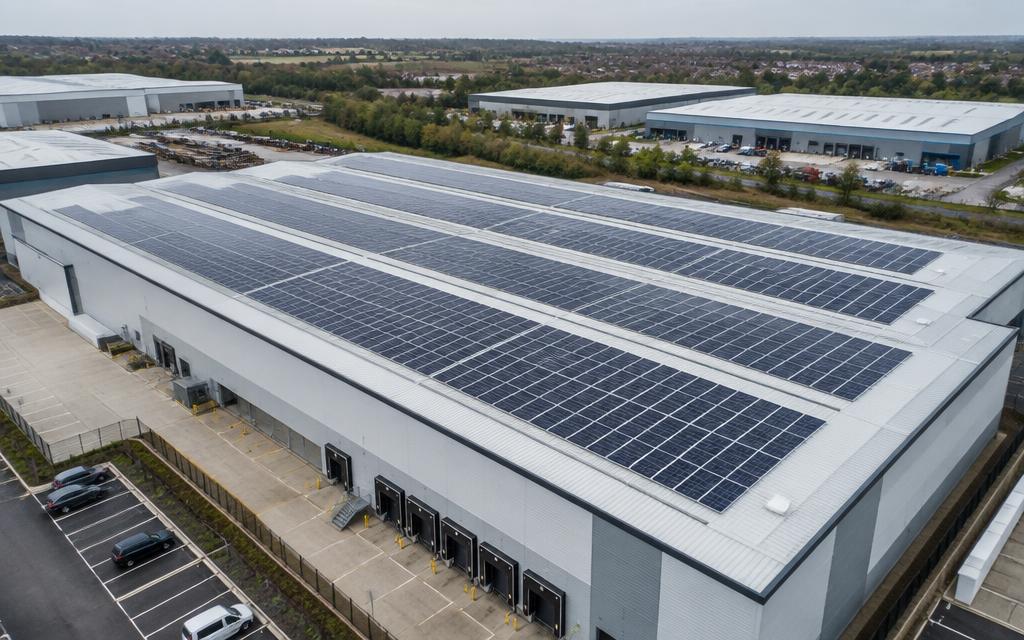
Cut your grid electricity use with roof-mounted solar PV sized to your building.
Learn More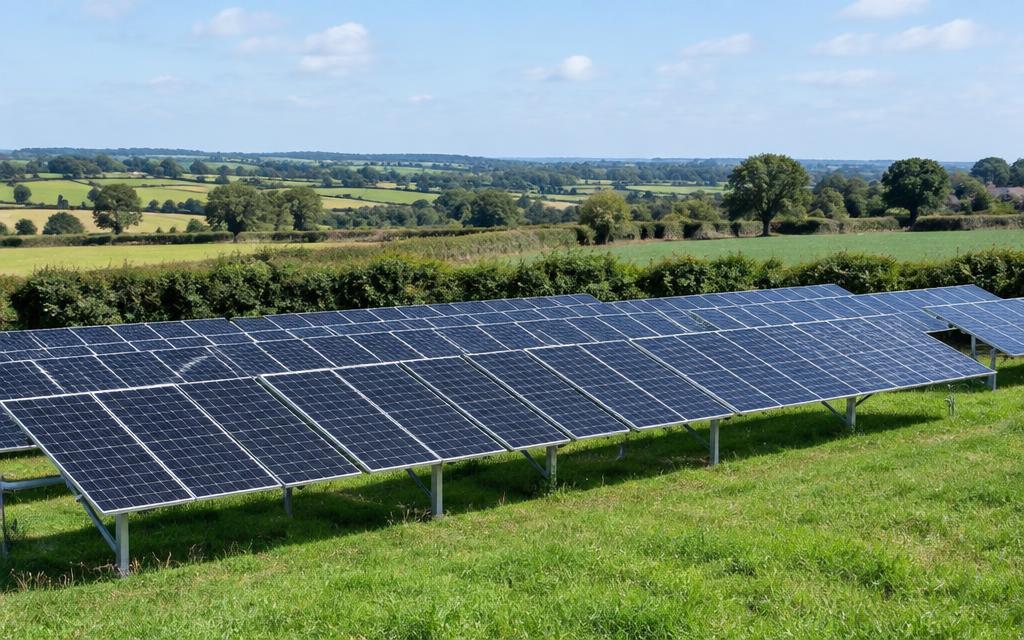
When roof space is limited, ground-mounted arrays maximise your available land.
Learn More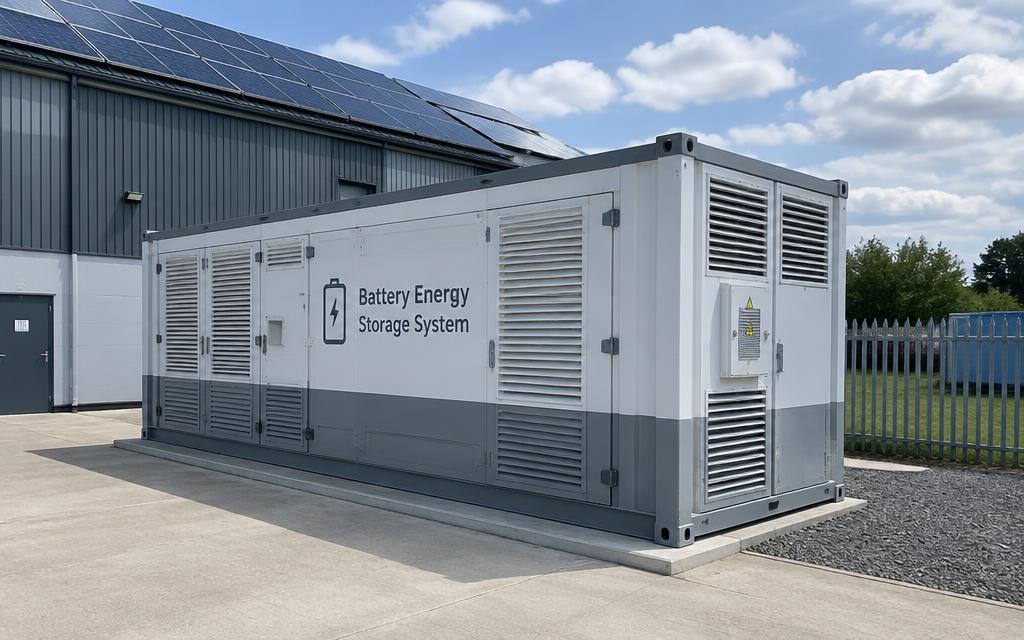
Store surplus solar generation and use it when demand and costs are highest.
Learn MoreSwipe to explore →
A farm solar project needs sound technical design, realistic financial assumptions and an installation plan that respects a working agricultural site.
Our MCS-accredited installers manage the project from survey and system design through grid applications, installation, commissioning and monitoring. Keeping responsibility clear helps coordinate work safely around livestock, staff, vehicles and seasonal farm activity.
Outright purchase is not the only way to proceed. We can explain available commercial solar finance routes and show how ownership, cash flow, export income and tax treatment affect the comparison. Always confirm tax decisions with your accountant.
Explore Finance OptionsHorizon Commercial Solar is fully accredited and MCS certified. Every installation meets the highest standards for design, safety and performance.







For the majority of UK farms, yes. With energy as one of the largest controllable farm costs and grid prices at record highs, solar PV delivers meaningful savings from year one. Typical payback periods are 4–7 years, with 20+ years of low-cost generation following. The 100% Annual Investment Allowance also means the full system cost can be deducted from taxable farm profits in the year of purchase.
Yes. Commercial solar panels are classified as plant and machinery and qualify for 100% Annual Investment Allowance (AIA). The full cost of the installation can be offset against your taxable farm profits in the year of purchase, significantly improving the effective payback period.
Solar panels on existing agricultural buildings may qualify as permitted development if they meet specific conditions. Ground-mounted systems above 50kWp typically require full planning permission. We advise on this during the site survey and manage any applications.
Many older agricultural roofs can support solar panels, but their condition, covering and load-bearing capacity must be assessed first. We review the structure during the survey and explain whether strengthening, repairs or reroofing should happen before installation. Suspected asbestos-containing materials require a specialist survey and suitable management before work starts.
Surplus generation can be exported to the grid via the Smart Export Guarantee, stored in a battery for use during evening and overnight periods, or used to power EV or machinery chargers on site. We design systems to maximise on-site consumption first.
Potentially, but the lease terms and the landowner's written consent need to be checked before design work progresses. The remaining lease period should also be considered against the expected system payback and operating life. We can help identify the site information your landlord or adviser will need.
A good farm solar design uses interval consumption data rather than relying only on annual bills. We compare generation with seasonal loads such as grain drying, irrigation, refrigeration, ventilation and winter housing, then size the array to maximise useful on-site consumption across the year.
Battery storage can be valuable where electricity demand continues after solar generation falls, for example evening milking, overnight refrigeration or early-morning ventilation. Its value depends on your half-hourly demand, tariff, solar surplus and resilience requirements, so we model it separately rather than adding a battery by default.
Solar PV has few moving parts, but farms can have more dust, crop debris and bird activity than other commercial sites. Remote monitoring highlights unusual performance, while periodic visual inspections, electrical checks and condition-led cleaning help keep the system operating safely and efficiently.