


Protect operating margins
Reduce grid purchases for kitchens, laundry, cooling, lighting and leisure facilities.

Commercial solar can reduce the electricity cost of kitchens, laundry, heating, cooling, lighting and leisure facilities while giving guests visible evidence of your sustainability commitments.
Hotels, restaurants and leisure venues often use significant electricity throughout the day. Matching solar generation to that demand can protect margins and support credible environmental reporting.
Reduce grid purchases for kitchens, laundry, cooling, lighting and leisure facilities.

Metered on-site generation gives guests and corporate buyers credible evidence of action.

Pair solar with destination charging as a useful amenity for guests and visitors.

Cooling, kitchens, housekeeping and leisure loads can align well with solar output.

Generate a portion of your electricity on site for decades rather than buying all of it from the grid.
Swipe to explore →
Hotels, restaurants, pubs, spas, gyms and visitor attractions can all be candidates. The roof, electrical demand and guest experience must be considered together.
We plan noisy work, deliveries and electrical connections around occupancy, events and food-service hours. For listed or sensitive properties, alternative locations such as outbuildings, carports or suitable land may offer a better route.
Different venues use energy at different times. The design should reflect occupancy, kitchens, water heating, cooling, laundry, pools and seasonal trading.
Year-round guest services can create a strong base load for daytime generation.
Kitchens, refrigeration and ventilation provide regular operating demand.
Pools, pumps, HVAC and changing facilities can consume power throughout the day.
Daytime opening hours often align naturally with solar generation.

Hotels with lodges, function spaces or outbuildings may offer several viable locations.
Swipe to explore →
Rooftops, car parks and batteries can be combined around the property's appearance, demand and guest facilities.
Main buildings, function spaces, leisure blocks and outbuildings may all provide usable roof area. We consider visual impact, roof condition and access before recommending a layout.
Carports can generate power while shading guest vehicles and supporting EV charging. Suitable land or less-visible parts of an estate may accommodate a ground-mounted system where roof options are limited.
The best option balances energy generation, appearance, parking use and planning constraints.
| Consideration | Rooftop solar | Solar carports |
|---|---|---|
| Best suited to | Hotels and venues with sound roof space | Properties with substantial guest parking |
| Guest visibility | Often discreet from ground level | Highly visible sustainability feature |
| EV charging | Feeds chargers elsewhere on site | Pairs naturally with destination charging |
| Key checks | Roof, heritage and access | Parking layout, drainage and planning |
A battery can move daytime surplus into busy evening periods, but it should be sized against actual demand and tariffs.
We compare interval consumption with forecast solar output, then model tariff differences, export value and battery cycling. Resilience for essential systems requires a separate backup design rather than a standard grid-connected battery.
100% AIA
Potential Annual Investment Allowance, subject to eligibility
25+ yrs
Expected solar panel operating life
4 steps
From energy review to monitored generation
7 days
A week of demand data reveals trading patterns
These broad examples show how scale and on-site electricity use can influence a hospitality solar project.
| System size | Typical setting | Indicative installed cost | Illustrative annual saving | Indicative payback |
|---|---|---|---|---|
| 30–50 kWp | Restaurant, pub or small hotel | £28,000–£50,000 | £7,000–£14,000 | 4–8 years |
| 50–100 kWp | Hotel or leisure venue | £45,000–£90,000 | £12,000–£28,000 | 4–8 years |
| 100–250 kWp | Large hotel, resort or multi-building venue | £85,000–£200,000 | £24,000–£62,000 | 5–8 years |
| 250 kWp+ | Large estate or leisure complex | Site specific | Site specific | Site specific |
Figures are illustrative estimates, not quotations or guaranteed returns. Actual costs, savings and payback depend on site conditions, electricity tariffs, on-site consumption, export value, finance, grid requirements and final system design. Tax treatment depends on your circumstances; seek advice from your accountant.
Hospitality projects can involve visual, heritage and guest-access considerations as well as normal electrical approvals.
Listed buildings, conservation areas and prominent roofs may require additional consent and careful positioning. We identify constraints early and can compare rooftops with outbuildings, carports or less-visible land.
The network operator confirms export capacity. If capacity is constrained, options can include export limitation, battery storage, a smaller array or phased installation, subject to the financial case.
Swipe to explore →

Hospitality sites combine guest comfort with energy-intensive services, so the design must account for the whole property rather than treating every roof as equal.
Your proposal will use your own consumption data, survey and generation model. Results from another property are never presented as a guarantee.
View Hospitality Case Studies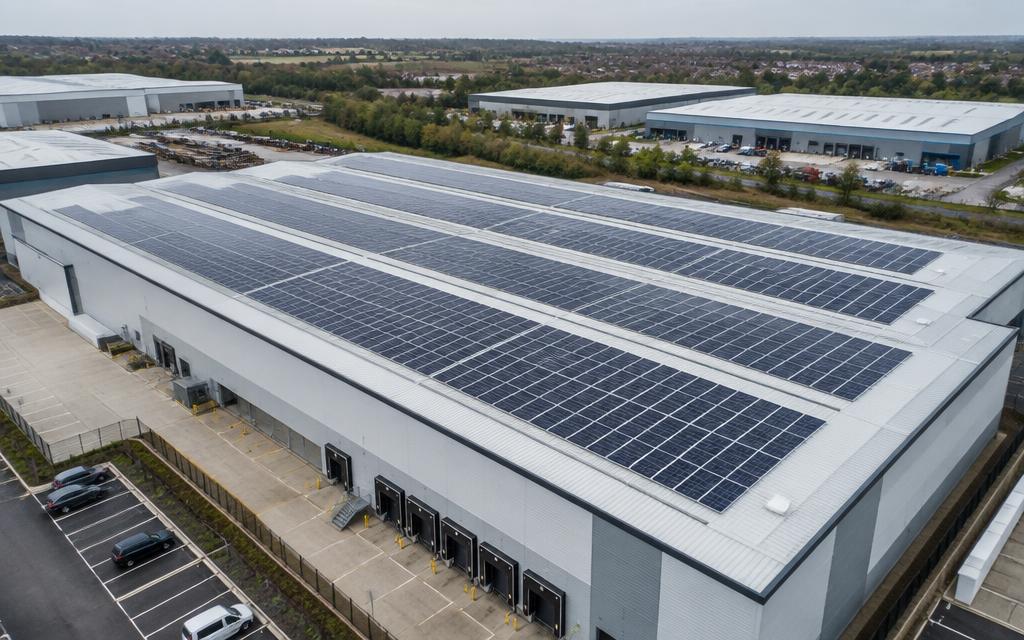
Cut your grid electricity use with roof-mounted solar PV sized to your building.
Learn More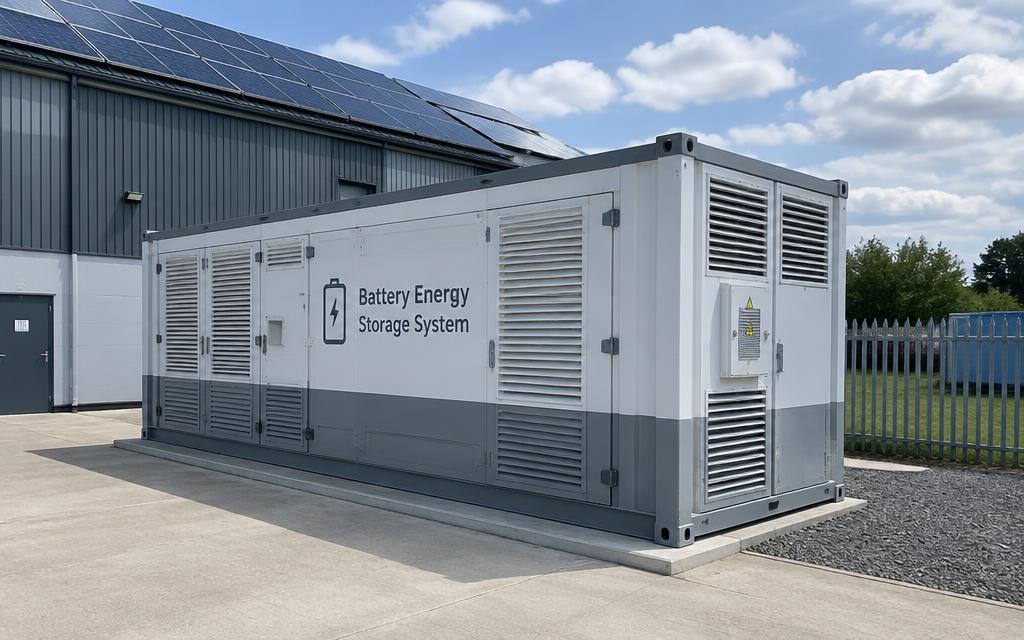
Store surplus solar generation and use it when demand and costs are highest.
Learn More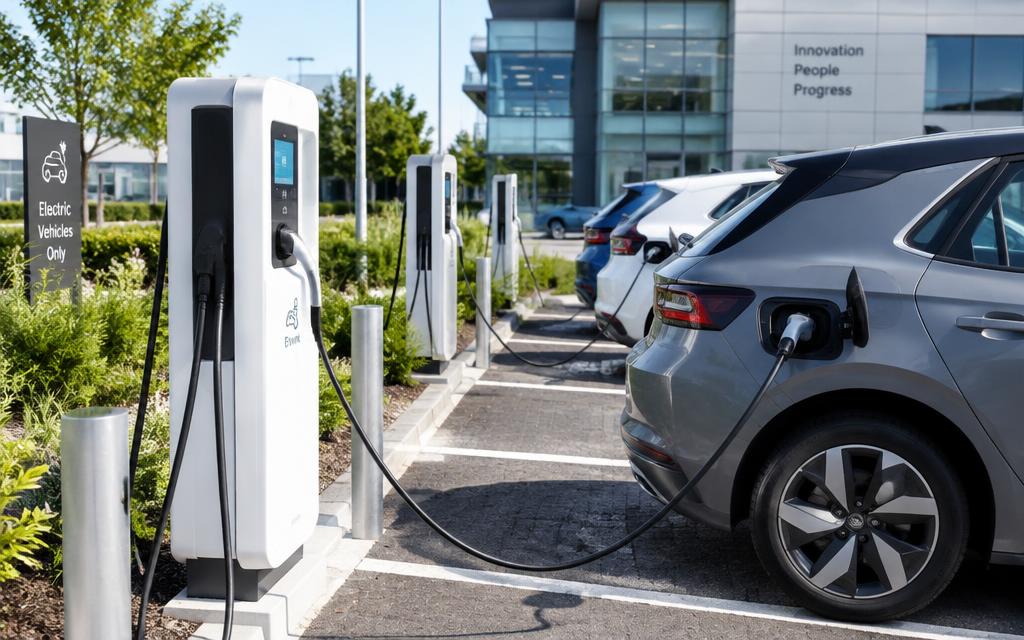
Future-proof your site with commercial EV charging infrastructure.
Learn More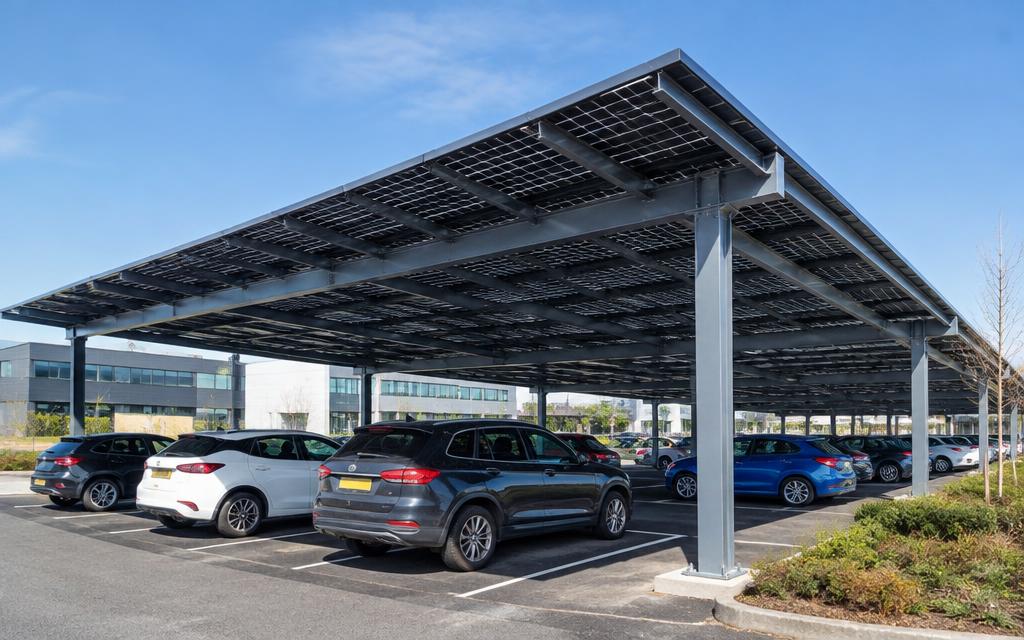
Turn your car park into a generation asset while sheltering vehicles.
Learn MoreSwipe to explore →
A hospitality installation needs careful coordination, straightforward financial assumptions and respect for guests, staff and the character of the property.
We manage survey, design, approvals, installation and monitoring, coordinating work around occupancy, service hours and events.
We compare rooftops, carports, batteries and charging against real demand so the solution supports both operating costs and the guest experience.
Horizon Commercial Solar is fully accredited and MCS certified. Every installation meets the highest standards for design, safety and performance.





They can be where daytime electricity use is high and a suitable roof, car park or area of land is available. A site-specific model should test generation against actual demand.
Possibly, but listed building consent or planning permission may be required. Less-sensitive roofs, outbuildings, carports or ground-mounted systems may provide alternatives.
Work is planned around occupancy, events and service periods. The programme identifies noisy tasks, deliveries and any electrical shutdown in advance.
Panels do not generate at night. A battery may shift some daytime surplus into the evening, while the grid continues to meet remaining demand.
Yes. Solar can contribute to guest or fleet charging, with controls used to balance chargers against the property's other electrical loads.
Eligible commercial solar equipment may qualify for capital allowances. Your accountant should confirm the current treatment for your business.
Capacity depends on roof shape, shading, structure, access and exclusion zones. A survey establishes usable rather than total roof area.
Surplus may be exported, stored or used for flexible loads such as water heating or vehicle charging, depending on the design.
Monitoring can display generation and carbon data for internal reporting or guest-facing communications, provided claims are presented accurately.