Is commercial solar worth it for UK businesses?
For businesses with suitable space and steady daytime electricity demand, commercial solar can be a compelling infrastructure investment. Whether it is right for your site depends on how well generation matches consumption and how the project is designed and funded.
Key takeaway
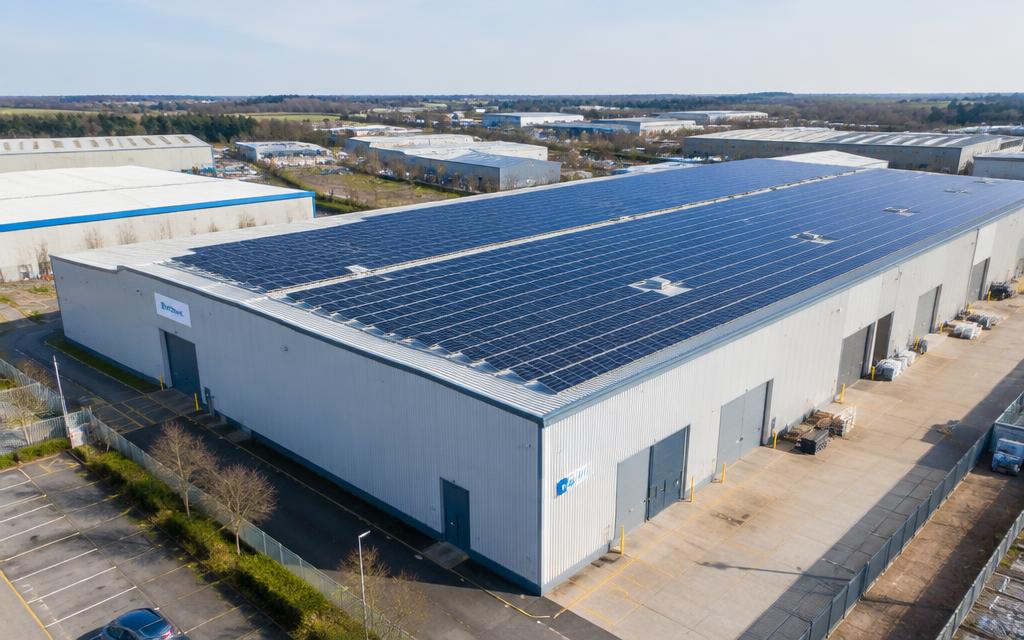
Commercial solar is usually most valuable where a business has predictable daytime demand, a suitable roof or land, and plans to occupy the site long enough to benefit from the savings.

Where the business case is strongest
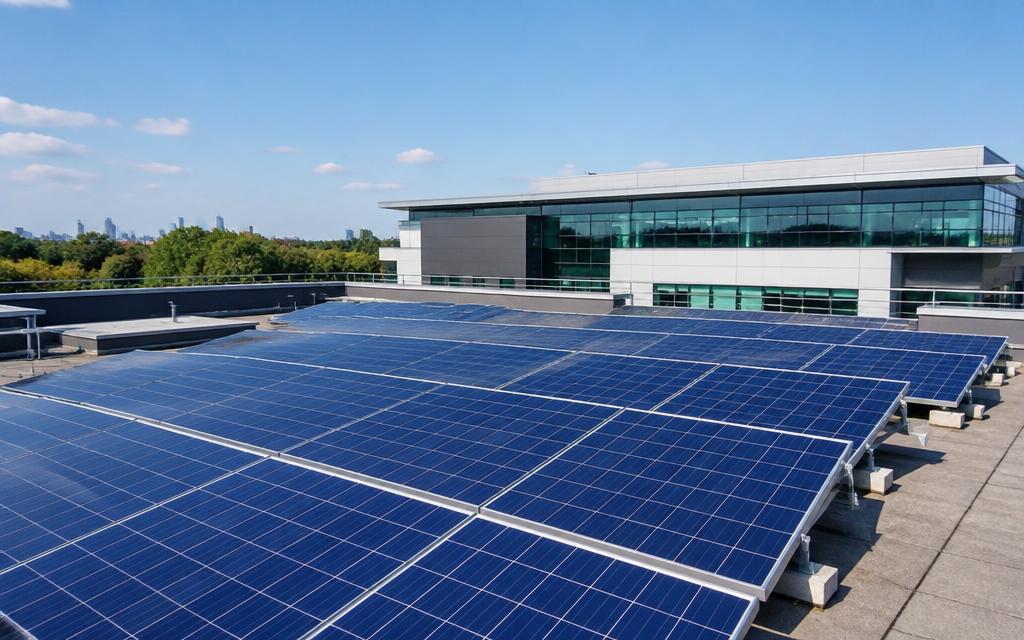
Solar produces electricity during daylight hours. Sites that operate through the day can consume more generation directly, avoiding the full retail cost of imported electricity.
- Factories and warehouses with daytime machinery or refrigeration
- Farms with ventilation, milking, cooling or grain-handling loads
- Hotels, leisure facilities and hospitality venues
- Owner-occupied buildings with a long-term operating plan
- Businesses pursuing measurable carbon-reduction targets
How to measure whether solar is worth it
Simple payback is useful, but it is not the only measure. A proper assessment should compare the project with doing nothing and account for system life, maintenance and financing.
| Measure | What it tells you |
|---|---|
| Self-consumption | How much solar electricity is used on site |
| Simple payback | How quickly initial cost is recovered |
| Lifetime saving | Estimated net benefit over the modelled period |
| Internal rate of return | Return allowing for the timing of cash flows |
| Carbon reduction | Estimated emissions avoided through generation |
When solar may be less suitable
A responsible installer should also explain when a project needs more investigation. A heavily shaded roof, short lease, poor structural condition or low daytime use can weaken the case. These issues do not always rule solar out; ground mount, a landlord agreement or battery storage may offer alternatives.
Do not rely on a generic online calculator for an investment decision. Half-hourly consumption data reveals how closely solar can match your actual demand.
The right first step
Begin with your recent electricity bills, half-hourly data where available, site plans and basic roof information. A desktop review can establish an initial system size before structural, electrical and access surveys refine the design.
The result should be a clear, evidence-based proposal that lets decision-makers see costs, assumptions, risks and expected savings in one place.
Written by Horizon Commercial Solar. Reviewed by our commercial solar team and updated 23 September 2026. Figures are illustrative and depend on site conditions, tariffs and project scope.